
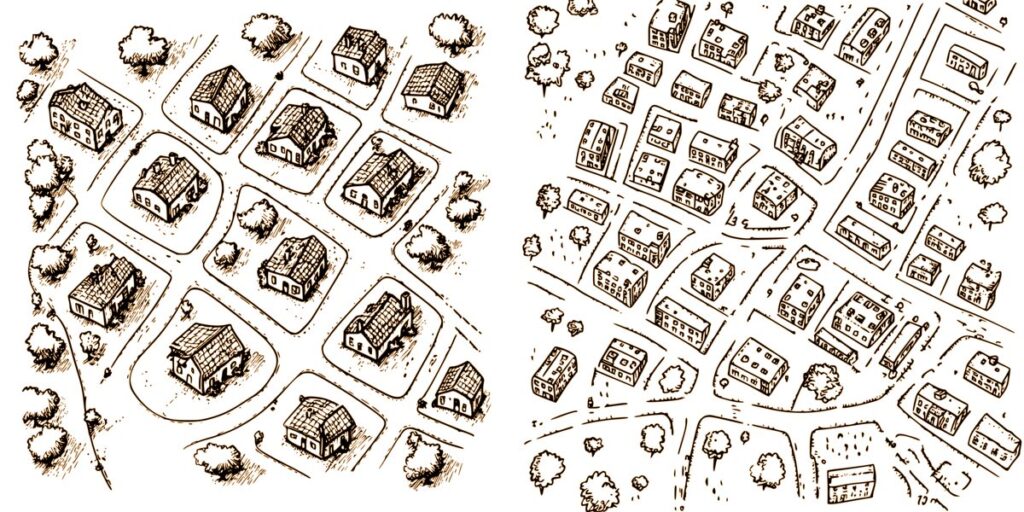
Nestled in the heart of Long Beach, the Lakewood City neighborhood boasts a rich history and a vibrant community spirit. While often associated with its namesake city just north, Lakewood City in Long Beach has its own unique legacy distinct from nearby Lakewood, CA. This area—bordered by bustling thoroughfares like Lakewood Boulevard, Carson Street, and the San Gabriel River—has grown from humble aeronautical beginnings into one of Long Beach’s most cherished residential enclaves.
Origins: From Open Fields to Neighborhood Haven
The story of Lakewood City begins in the 1940s, at a time when much of the land east of Signal Hill and north of Carson Street was little more than farmland and open space. The area was originally home to dairy farms and bean fields, feeding the growing Los Angeles metropolis. A critical turning point for the neighborhood was post-World War II, when returning soldiers sparked a nationwide housing boom.
Developers, recognizing the opportunity, purchased swathes of these agricultural plots. The advent of the Douglas Aircraft plant on Lakewood Boulevard further accelerated the transformation, bringing thousands of workers and their families to the region. Fast, affordable housing became the neighborhood’s trademark—Lakewood City soon became a place where the American dream of homeownership was within reach for everyday people.
How Lakewood City Got Its Name
Despite some confusion between Lakewood City and the neighboring city of Lakewood, the Long Beach neighborhood has always embraced its identity. Its name pays homage to the "lake" (originally referring to Bouton Lake, a now-vanished seasonal marsh near the San Gabriel River) and its wooded character, reflected in the area's mature tree canopies and beautifully landscaped boulevards. The presence of Lakewood Boulevard—the major north-south artery—cemented the neighborhood’s name in city records and local memory alike.
Key Historical Milestones
- 1949-1953: Birth of a Suburb
Bulldozers began reshaping the fields into orderly streets and houses. Families flocked to the newly built homes lining Candlewood Street, Harvey Way, and Charlemagne Avenue, establishing a sense of community that endures today.
- 1951: The Opening of Lakewood Center
One of the nation’s first large regional shopping malls, Lakewood Center on Lakewood Boulevard brought commerce, convenience, and a new identity to the neighborhood. The mall’s proximity fostered a walkable lifestyle, connecting neighbors and supporting small businesses.
- Growth of Parks and Schools
As families settled in, green spaces such as Bolivar Park and Mayfair Park were carved out, providing much-needed recreation areas. Educational institutions like Stephen Foster Elementary and Bancroft Middle School became cornerstones of the community, hosting generations of local students.
- 1960s-1980s: Suburban Stability
With tree-lined residential streets and easy access to both Los Angeles and Orange County via the nearby 605 Freeway, Lakewood City became a bedroom community of choice. Tight-knit block clubs formed, and neighbors bonded at annual summer picnics and block parties.
Notable Landmarks and Buildings
Lakewood City is distinguished by its mid-century residential architecture—classic ranch homes, postwar bungalows, and original tract houses lovingly maintained or tastefully renovated. But it’s more than homes that make the area special:
- Lakewood Center Mall
A local landmark since the 1950s, the mall was revolutionary for its open-air design, later enclosed to embrace modern shopping trends. Today, it remains a gathering place for shopping, dining, and community events.
- Bolivar Park
A recreational jewel nestled just off Pine Street, Bolivar Park offers everything from baseball diamonds to outdoor pools, and serves as a gathering spot for summer concerts and holiday celebrations.
- The Long Beach Airport
Although technically adjacent, the airport’s proximity to Lakewood City has profoundly shaped the neighborhood’s identity, bringing a cosmopolitan flair and easy access for travelers.
- Original tract homes along Josie Avenue, Clark Avenue, and Arbor Road
These quiet, well-maintained streets tell the visual story of Lakewood City’s enduring heritage.
The Evolution of Lakewood City
Over the decades, Lakewood City has gracefully transitioned with the times:
- Diversity and Renewal
Once a mostly homogenous suburb, Lakewood City has grown increasingly diverse, welcoming residents from all backgrounds. Many original homes have been updated, yet the community spirit remains unchanged.
- Commitment to Community
Local associations, neighborhood watch programs, and family-oriented events continue to unite residents. The annual Lakewood City Picnic in Bolivar Park and neighborhood yard sales are beloved traditions.
- Accessibility and Connectivity
With bike paths tracing the San Gabriel River, and close links to the 91 and 605 freeways, Lakewood City has kept pace with the needs of modern families while maintaining a peaceful, suburban feel.
What Makes Lakewood City Special Today
Ask any longtime resident, and they’ll tell you it’s the blend of history, community, and charm that keeps Lakewood City close to their hearts. Children ride bikes down Candlewood Street, neighbors organize potlucks at Bolivar Park, and the legacy of postwar optimism can still be felt in friendly waves and tree-shaded lanes.
Lakewood City’s story is, in many ways, a microcosm of Southern California’s own postwar transformation. Yet it retains a distinct character—a place where the past is not just preserved, but proudly celebrated, and where neighbors still look out for each other.
Whether you’re admiring the retro facades along Harvey Way, walking your dog through Bolivar Park, or enjoying a quiet evening near the Lakewood Center, you’re a part of a living, breathing history. And that’s what makes Lakewood City not just a neighborhood, but a true home.